Introduction: First Impressions, Bright Ideas
I walked into a coastal hotel last week and the lobby felt grand, but dim. The chandelier supply company on the project had nailed the look, yet guests still squinted at the desk. Across venues like this, lighting can eat up 20–30% of electricity use, and poor colour rendering can change how materials feel to the eye. So here’s the rub: if the foyer sets the tone, why do so many big pendants miss the mark on comfort and control (proper job or not)?
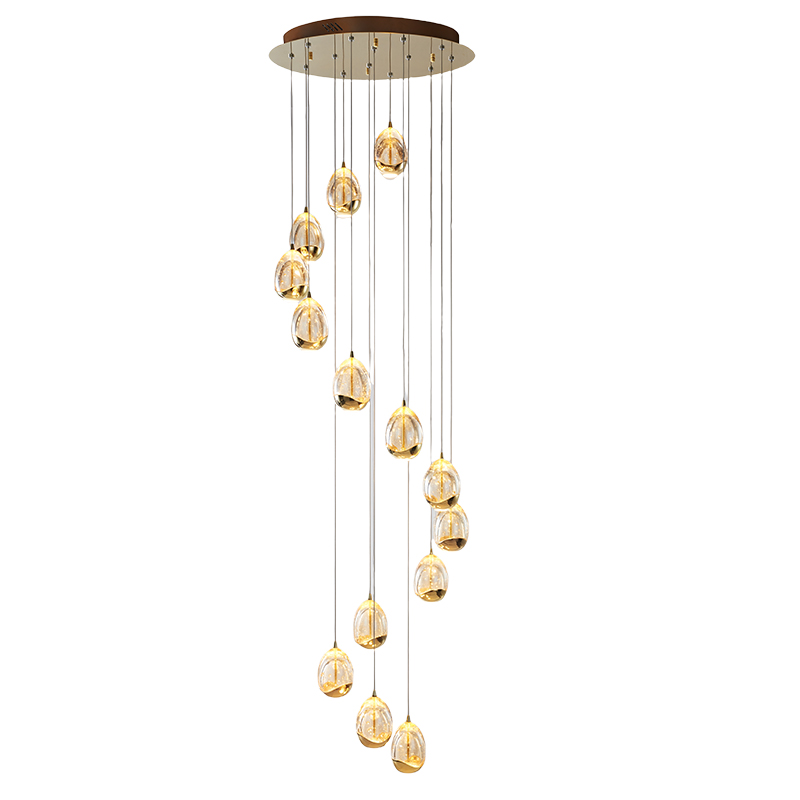
Let’s be plain about it. People judge a space in under seven seconds, and that glow above their heads does half the talking. Data shows glare, weak CRI, and clumsy dimming raise complaints, while maintenance at height drives costs up. Down our way, we’d say it wants sorting—and quick. Are we choosing fixtures for their weight and sparkle, but forgetting drivers, power factor, and access gear? Or, are we stuck with old wiring that hates modern controls—funny how that works, right? Either way, there’s a smarter route that doesn’t cost the earth and still looks the part.
Here’s how a few design choices can turn a showpiece into a steady workhorse—without losing the wow. On we go to the deeper bit.
The Deeper Issue with Large Foyer Pendants
What actually goes wrong?
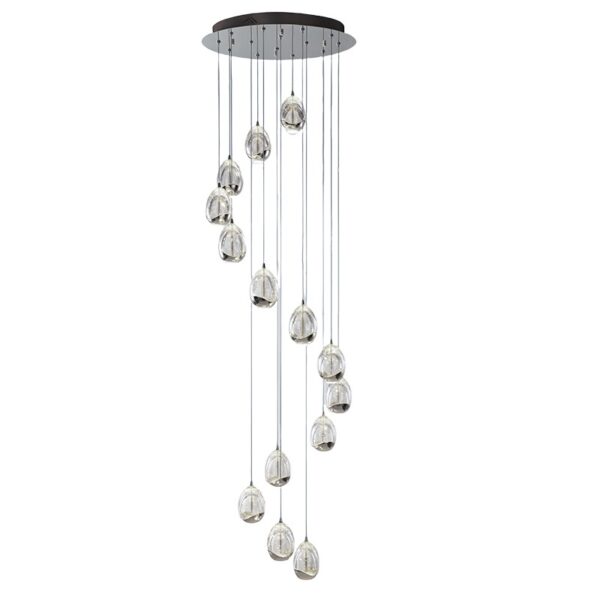
Take a large foyer pendant light. It’s meant to anchor the space. But tall atriums hide pain points. First, controls: basic triac dimming often causes flicker and colour shift. PWM dimming helps, yet mismatched drivers and power converters can still strobe on cameras. Second, perception: low CRI and uneven lumen output make stone and timber look flat. Thermal management is another snag; cramped heat sinks shorten LED life, despite decent LM-80 parts. And service? If the driver sits in the canopy 10 metres up, every fault becomes a lift hire.
Look, it’s simpler than you think. Specify a driver with >0.9 power factor and DALI-2 or 0–10V control, keep surge protection in-line, and check TM-21 lifetime at real operating temps. Glare isn’t only for offices; shallow shades can spike UGR in foyers too. Weight and load rating matter, but so does an IP rating that suits air flows and dust. The hidden cost is downtime, not just watts. You can keep the sparkle and still build a service path—remote gear trays, quick connectors, even lowering systems. Miss those, and the “icon” becomes a ladder problem—and that’s the rub.
Comparing Old Fixes and New Principles for 2026
What’s Next
Older fixes were cosmetic: swap bulbs, add a dimmer, call it done. The 2026 approach is more like systems thinking. Pair high-CRI LED arrays with constant-lumen output modes and smart drivers that report failures before they’re visible. Add daylight sensors at the mezzanine, not just the ground. Use Bluetooth Mesh or DALI-2 for zones, then let edge control nodes trim power in real time. A modern led acrylic chandelier can carry a lighter frame, better diffusion, and still push high efficacy, so you lower watts without losing presence—funny how lightweight can look richer.
This is where comparative insight helps. Versus legacy pendants, a modular gear stack means the driver and surge module sit in an accessible box, not inside a hot canopy. Versus generic dimmers, DALI-2 scenes keep colour stable while you fade. And versus one-shot installs, firmware updates extend features for years. In plain terms, your foyer looks warmer, uses fewer kilowatt-hours, and needs fewer hoists. Summing up: we’ve moved from fix-and-forget to monitor-and-tune, with fewer surprises along the way. Advisory close-out, then: three checks for choosing well in 2026—(1) Photometrics with CRI ≥90, documented TM-21 life at the intended case temperature, and glare control for the mounting height; (2) Serviceability by design, with replaceable drivers, surge protection, and a safe access plan; (3) Controls compliance (DALI-2 or stable 0–10V), power factor ≥0.9, and flicker under IEEE 1789 guidance. For a grounded, spec-first view of options, see kinglong.

Be First to Comment