Introduction
I was at a plant last summer where a tiny feeder hiccup stopped the whole shift — we lost hours, and the team were flat out trying to catch up. On a typical wet wipes production line, that kind of stoppage can shave off 3–7% of daily output (and that adds up fast). So, what gives — why do these machines trip up over the same old faults?
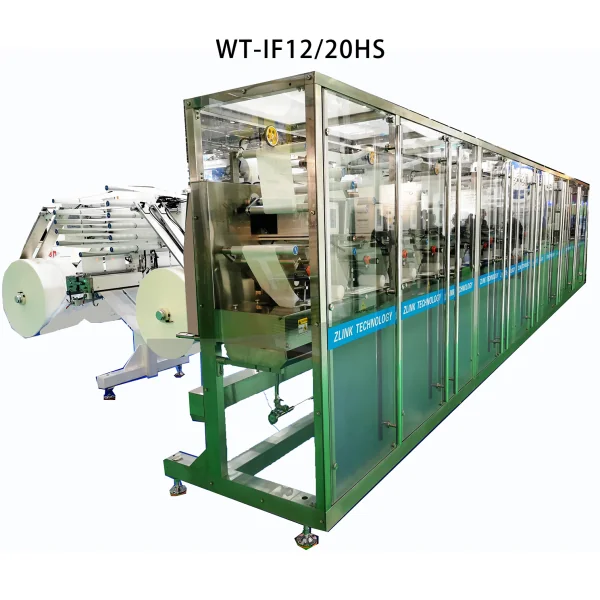
Picture this: a cross-fold unit stalls, the crew waits for parts, and the packing lane queues up like a bad traffic jam. I reckon most folk in the plant are dead keen to fix it, but solutions often end up being band‑aids. (Sweet as — we all want quick wins, but long-term gains need smarter moves.) Stick with me — I’ll walk through what’s actually failing, why the usual patches don’t cut it, and what to look for next.
Why the Usual Fixes Often Fall Short
wet wipe production line teams tend to reach for the same toolkit: tighten a belt, reboot the PLC, replace a sensor. Those things help in the moment, but they don’t stop repeat failures. I’ve seen plants where reactive maintenance became the culture — and that’s expensive. Look, it’s simpler than you think; the root issues are often process mismatch, lousy data, and poor human–machine interplay.
What’s the real snag?
First, parts of the line like the cross‑fold and the packaging splicer are tuned to run at certain speeds. When you push faster without aligning upstream tension control, you create micro-tears and misfeeds. Second, the control logic in older PLCs can be brittle. It’ll trip on one odd condition and then the operator has to step in. Third, data is patchy — no unified HMI view, no trend logs for vibration or current draw. We miss early warnings. That’s where predictive kick-in would help, but most plants still rely on time-based upkeep rather than condition-based fixes.
Industry bits: servo motors, HMI panels, power converters — they’re all fine parts, but they don’t solve design mismatch. I’ve tried convincing teams to map failure modes instead of chasing symptoms. The outcome? Fewer stoppages, happier crews, and better uptime — funny how that works, right?
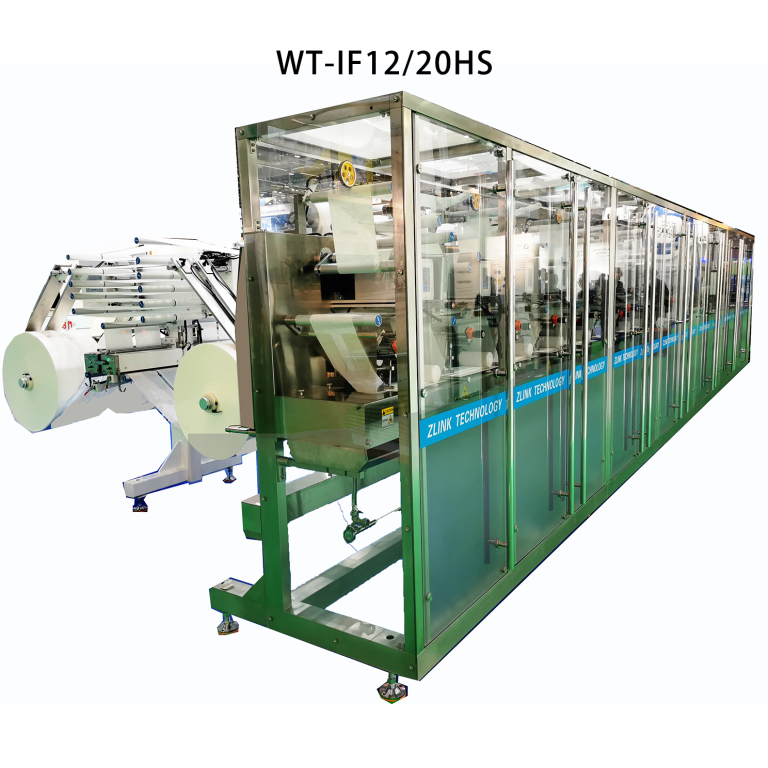
Looking Ahead: New Technology Principles That Actually Help
What I’m leaning into now is practical tech — not buzz. The principle is simple: move from reactive fiddling to smart, local decisions. That means putting edge computing nodes near critical machines, using low-latency sensors on the cross-fold and the feed rollers, and letting condition alarms trigger targeted actions. On a modern wet wipe production line, this cuts mean time to repair and prevents many shutdowns before they start.
Real-world impact?
I’ve helped specify systems that use vibration sensing, current monitoring, and simple trend dashboards. The logic is lightweight: if vibration exceeds X, slow the line and alert techs. If motor current rises gradually, schedule bearing checks before catastrophic failure. These moves save parts and hours. They also make the shopfloor calmer — operators aren’t firefighting every hour. — it really changes the vibe.
Now, to pick the right upgrade, I’d focus on three hard metrics: first, mean time between failures (MTBF) improvement; second, reduction in unplanned downtime hours; third, return on investment within 12–24 months. Test devices in a pilot cell. Measure. Talk to operators. I trust metrics more than promises.
We’ve seen clear wins when teams combine better controls, selective sensors, and clearer HMI screens. I’d recommend starting small, proving the concept, and scaling. If you want to chat specifics — I’m keen to help you map a plan.
For gear or line options, I look at proven suppliers and practical layouts. If you want a starting point, check out resources from ZLINK. They’ve got solid kit and real-world examples that helped my teams cut waste and downtime without making life harder for operators.

Be First to Comment