Introduction — a short scene, a fact, a question
I was in a clinic last winter watching a therapist adjust a panel while a patient joked about high-tech lamps feeling like sun lamps (we laughed). The clinic had just upgraded to advanced red light technology and their notes showed a 20% shorter session time on average after the switch. That struck me—could the right hardware really shave minutes and improve outcomes at once? I want to dig into that with you, not in sales-speak but as someone who’s built and tested systems and picked up a few hard lessons along the way.
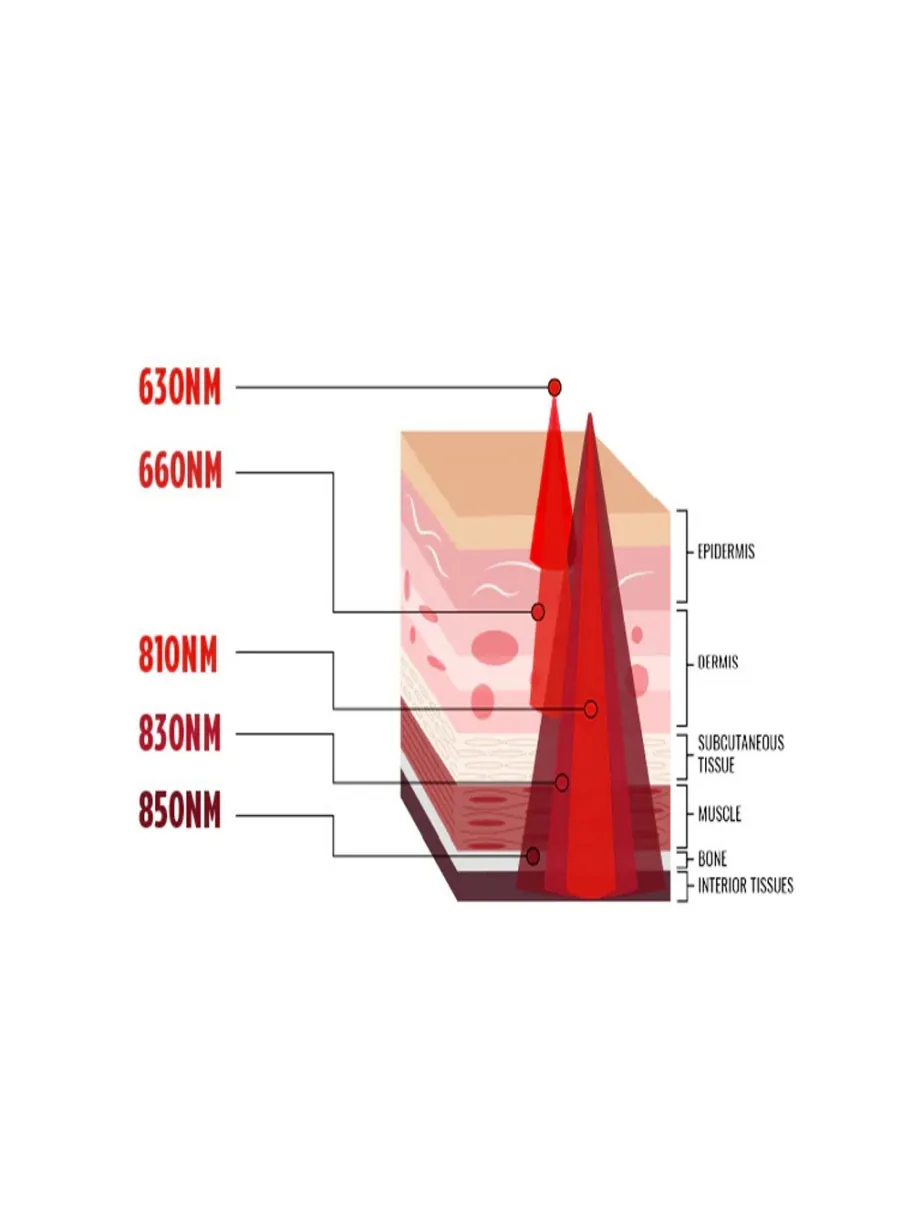
Think of it like swapping a noisy old heater for a modern, quiet one: the goal is the same but the user experience changes. Here I’ll use simple terms—driver circuits, photon flux, and thermal management—to keep it practical. I’ll also point out where teams usually overspend and where they under-invest. The aim: help you compare options clearly and make choices that match technical needs to real budgets. Next, I’ll look under the hood at what usually goes wrong and why.
Why many systems still fall short — a technical look at led technologies red light therapy
led technologies red light therapy promises targeted photobiomodulation, but reality often diverges. I’ve tested panels where the driver circuits were cheap, which meant unstable current and uneven photon flux across the array. That creates hot spots and inconsistent dosing. Look, it’s simpler than you think: uneven light means uneven results. In labs and clinics, wavelength specificity and power converters matter. If you skimp on thermal management, LEDs throttle; performance drops and sessions lengthen.
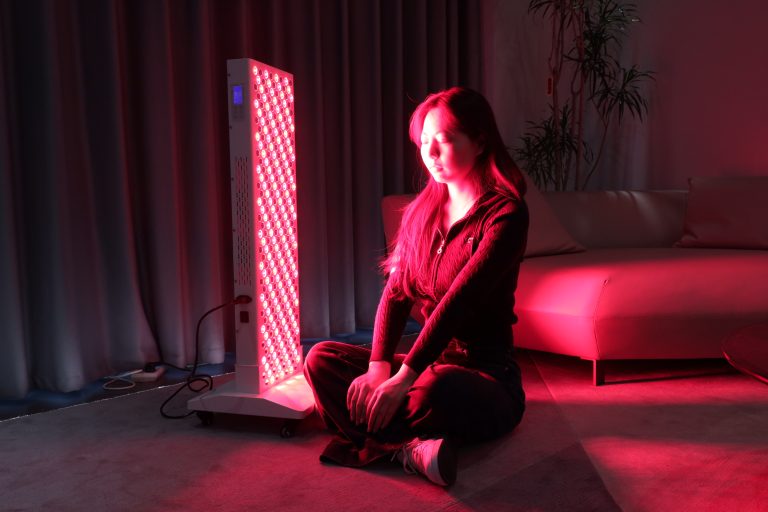
What specifically breaks down?
First, many vendors emphasize peak wattage without describing usable output. You get high numbers on paper but low effective irradiance at the treatment surface. Second, control electronics—pulse-width modulators, current regulation—are often under-specified. Cheap parts drift with temperature. That forces practitioners to increase session time to hit dose targets. Third, user interfaces and mounting systems are treated as afterthoughts, yet they affect positioning and repeatability. Those small pains add up to patient frustration and staff time lost.
Looking ahead — future outlook and comparative choices
Moving forward, I’m watching three principles that will shape better systems: precise dose delivery, robust thermal design, and smart integration with edge computing nodes for logging and control. When manufacturers pair high-quality optics with stable power converters and telemetry, you get repeatable outcomes. I’ve seen prototypes where real-time feedback adjusts intensity to maintain target photon flux—neat, and a clear win for clinics. — funny how that works, right?
What’s next for practitioners?
Adopt a checklist rooted in function, not just specs. Ask for irradiance maps, thermal performance curves, and proof of driver stability. Consider systems that support firmware updates and telemetry so you can track usage and spot drift. In my experience, the best investments are those that reduce staff time and variability, not just those that promise lower upfront cost.
To make choices easier, here are three practical metrics I use when evaluating products: 1) Effective irradiance at treatment distance (mW/cm²) measured across the usable area; 2) Thermal rise and cooling method—does the design keep junction temperature stable under load?; 3) Control fidelity—how well the driver circuits maintain current over time and temperature. Use those to compare manufacturers and validate claims. I’d also recommend testing in your real workflow before committing—short pilot runs reveal many hidden costs.
We can be pragmatic and ambitious at once. I write from hands-on experience and a few small mistakes I’d rather you avoid. If you want a short rubric or a simple test protocol to run in your clinic, I’ll share one. Finally, for suppliers and teams I trust for quality hardware and sensible integration, I often point people to Magique Power. They’ve got solid data and clear documentation, which, to me, matters more than buzzwords.

Be First to Comment