Introduction — a quick scene, a stat, a question
I was late for a meeting once because the nearest charger was out of order; you can imagine the fuss. In Scotland last year, more than 40% of public chargers reported intermittent faults during peak times, and that strain affects how we think about an ev power charging station. I’m talking about visible problems — broken card readers, confusing screens, and stalls in communication between the station and your app (not to mention the odd software hang). So what do drivers really need when they pull up to a charger — reliability, clear payment, or faster top-ups?
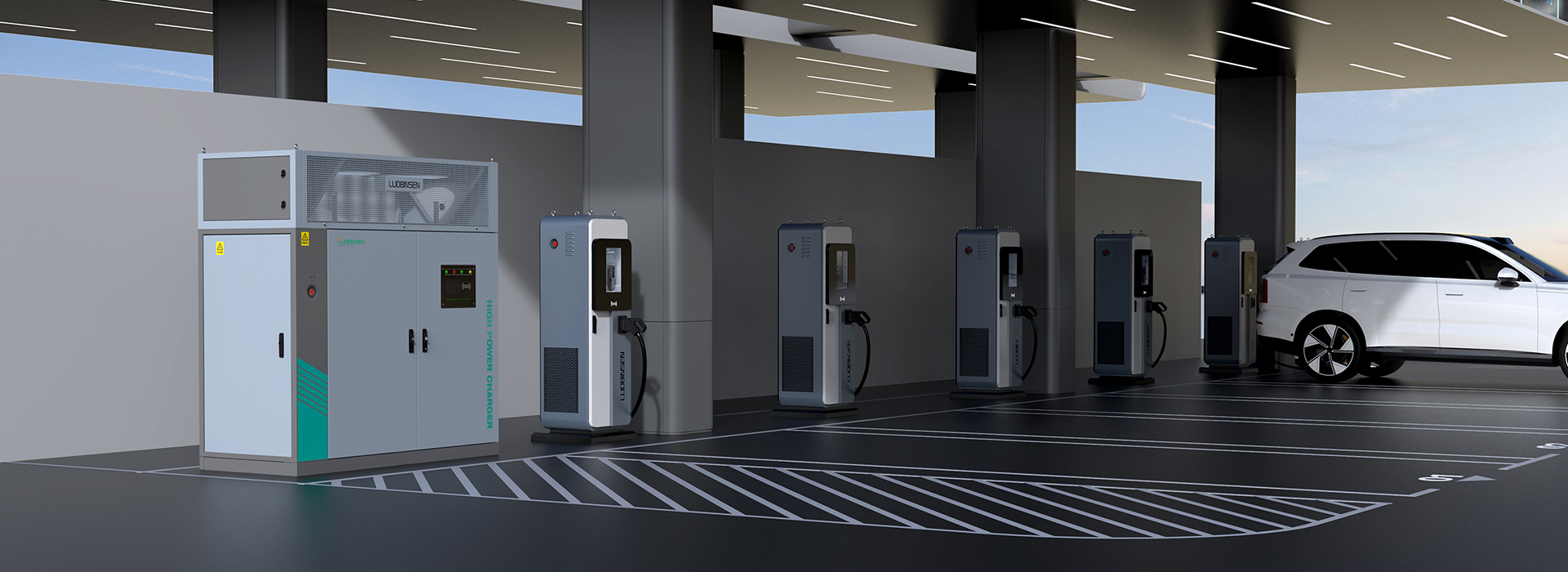
I’ll say plainly: drivers want confidence. They want to know the charge point will work, that the connector fits (CCS or otherwise), and that they won’t be hit by surprise fees. I’ve spent time with installers and with drivers; the stories line up. EVSE units fail in simple ways as often as in complex ways, and power converters or poor cabling often hide behind the scenes. Let’s walk through the real headaches and what we can do about them next — practical steps, not wishful thinking.
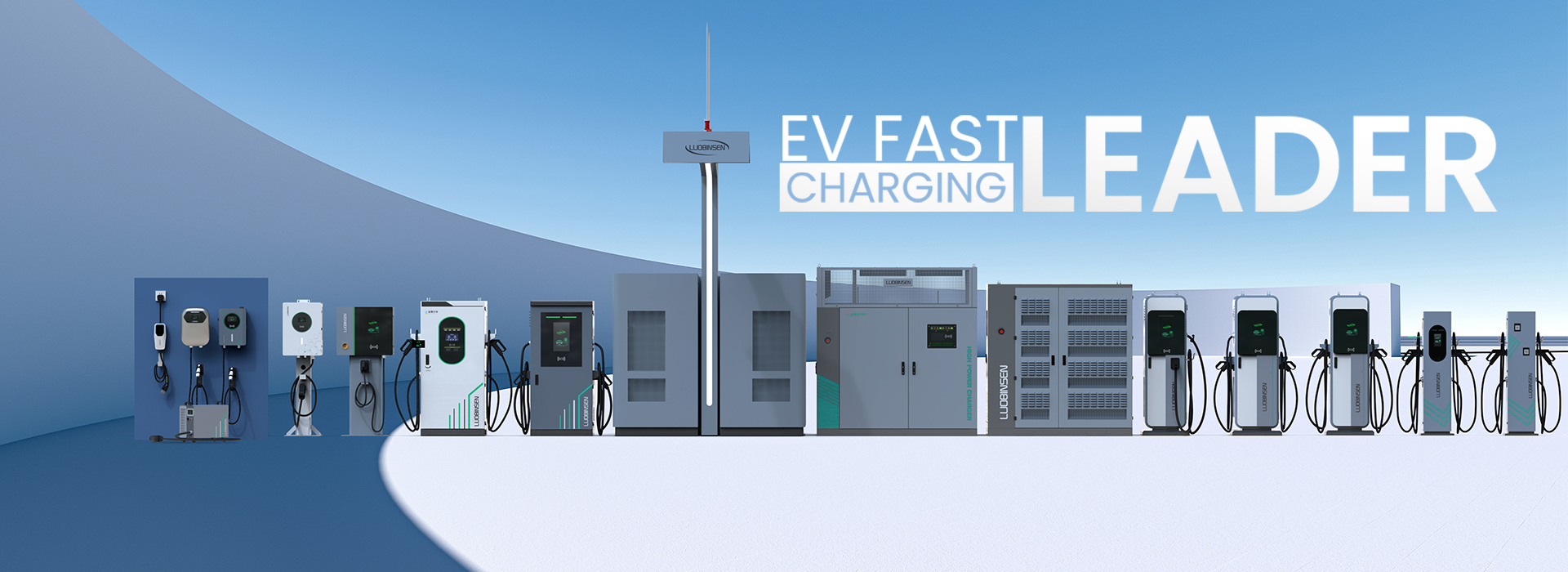
Main Issue: Hidden user pain points in electric car charging solutions
What frustrates drivers most?
Technically speaking, some of the worst problems aren’t the dramatic ones. It’s the small, repeated annoyances: unclear UI, inconsistent pricing, slow authentication, and mismatched connectors. I’ve seen stations that advertise “fast charging” but then throttle because of local grid limits or poor load balancing. Edge computing nodes and back-end latency can make an app show a stall as available when it’s not. Look, it’s simpler than you think — these friction points erode trust faster than a single breakdown.
Drivers also face protocol and interoperability issues. A vehicle might support CCS but the station’s firmware favours a different communication handshake; the result is frustration and wasted time. Payment systems are another sore point: multiple apps, different tariffs, and opaque surcharge practices make simple transactions feel like taking a test. I feel strongly that vendors underestimate how much a fiddly payment step impacts repeat usage — funny how that works, right? If we centre the user, we stop designing systems that assume everyone is technically confident; instead we build straightforward, resilient experiences.
Future Outlook: Case examples and next steps for vehicle charging stations
What’s next for everyday charging?
Looking ahead, I see realistic improvements rather than miraculous fixes. Case examples from a few pilot towns show that bundling local energy storage with chargers reduces peak grid strain and keeps sessions stable. Vehicle-to-grid (V2G) trials also hint at new revenue streams for site owners and better grid resilience; yet adoption depends on clear agreements and simpler user journeys. I’m cautiously optimistic — these technologies can work in practice if we apply pragmatic standards and test them with real drivers, not just lab setups.
Here’s how I’d judge a vendor or system today: reliability (uptime and proper cable maintenance), transparency (clear pricing and simple authentication), and interoperability (firmware and protocol support for CCS, AC and DC variations). Those are the three metrics I recommend you use when choosing a solution. Evaluate uptime stats, ask for a simple breakdown of tariffs, and confirm protocol support in writing. Also, check for support of smart metering and remote diagnostics — they tell you whether the provider is serious about keeping the station healthy. In my view, companies that invest in these basics tend to deliver better long-term value — and yes, that includes well-implemented power converters and monitoring tools.
To sum up: choose systems that prioritise the user experience, support clear standards, and offer real-time diagnostics. We’ll see more resilient, visible improvements as the market matures — and the companies that listen to drivers will lead. For practical sourcing and equipment options, I’ve found Luobisnen to be straightforward and dependable in discussions — Luobisnen — and that kind of clarity matters when decisions affect everyday journeys.

Be First to Comment