Introduction
I remember one shift when the workshop felt like a chimney and everyone kept rubbing their eyes — we had to do something fast. A laser marking fume extractor sits at the heart of that change; it can clear smoke, reduce VOCs and make the floor safe again. Recent shop audits show small shops miss 40–60% of basic maintenance steps, and that gap raises health risks and downtime. So how do we stop wasting time, and keep people safe (without breaking the bank)? This piece walks through what I’ve seen work — simple swaps, hard lessons, and a few tools that actually save hours. Let’s get practical and move to the real issues next.
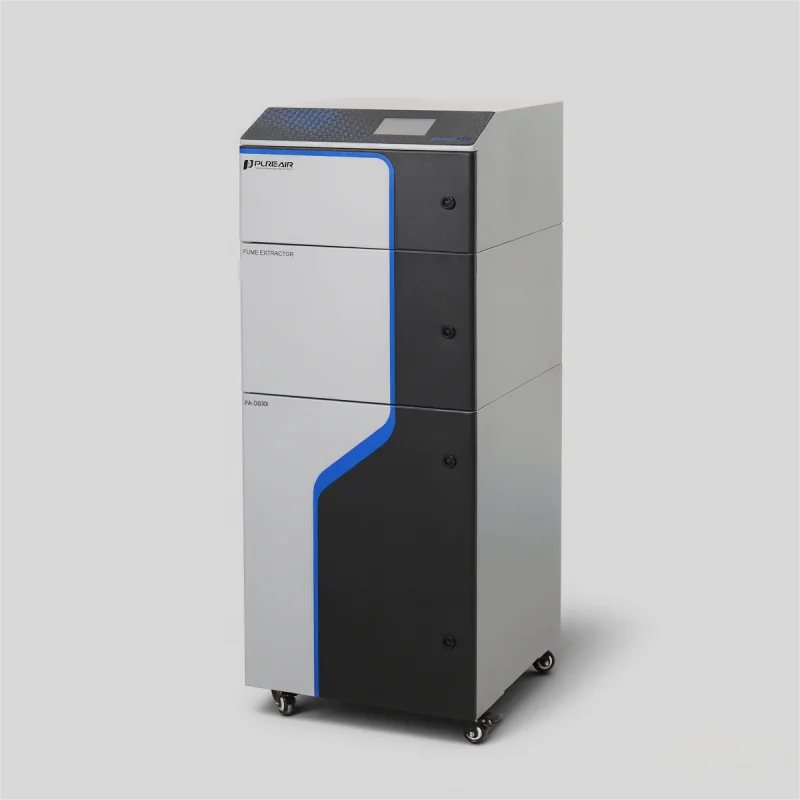
Where the Traditional Fixes Fail (and What Users Secretly Struggle With)
laser printer fume extractor units are sold as plug-and-play. In practice, they often need more attention than the manual suggests. Filters clog quicker than expected. Fans slow down when the ductwork traps debris. I’ve watched teams replace HEPA filter cartridges on the wrong schedule and then wonder why smells linger. That’s frustrating — and preventable.
Why does this keep happening?
Technically, several design and user gaps collide. Many systems rely on a single-stage HEPA filter and an activated carbon layer. That’s fine until VOC spikes from new materials overwhelm the carbon. Airflow rate drops. The fan motor works harder. Power converters in older units then overheat. Add poor access panels and you get long repair times. Look, it’s simpler than you think: missed basic checks — pressure drop readings, quick duct inspections, filter seating — create a cascade of failures. I’ve logged instances where a clogged prefilter added two hours of downtime a month; small things add up quickly. We need better routines, clearer indicators, and user-friendly access points so teams actually do the work.
What Comes Next: New Principles and a Practical Outlook
What’s Next?
Moving forward I prefer a mixed approach: practical upgrades plus smarter monitoring. Newer units use multi-stage filtration — coarse prefilters, HEPA, activated carbon — and they pair sensors to track airflow and particulate load. A modern laser printer fume extractor with airflow sensors and visible pressure gauges lets technicians see trouble before it becomes a shutdown. It’s not rocket science. It’s engineering that listens. We save time when maintenance is predictable, and we save breath when filtration stages match the task.
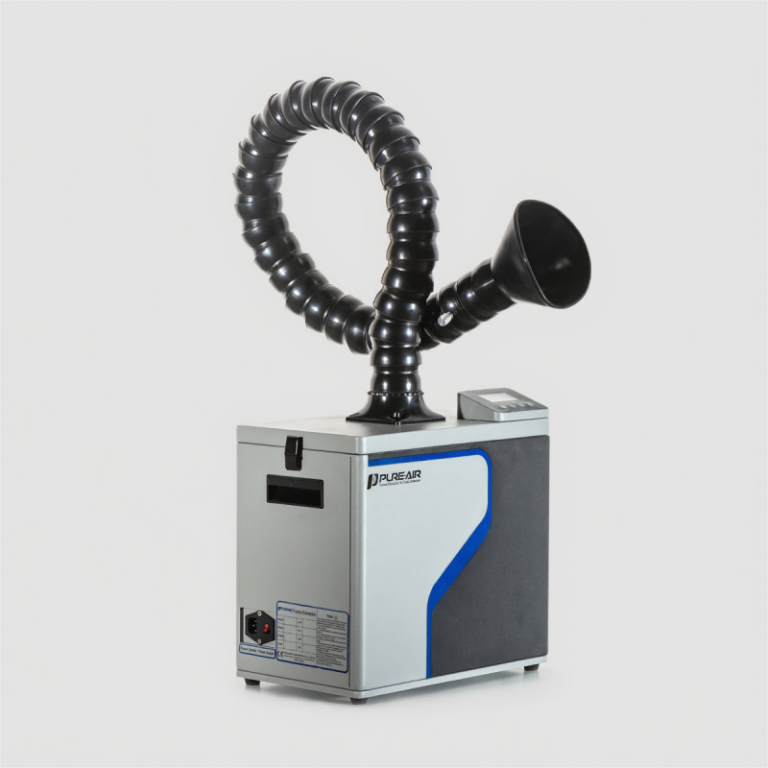
Semi-formally, here’s a short case: I worked with a fabricator that switched to scheduled prefilter swaps, added a modest pressure-sensor retrofit, and retrained staff on filter seating. Within two months, filter life improved and unplanned stops dropped by nearly half — funny how that works, right? The lesson: small tech and clearer routines beat occasional big fixes. For evaluation, I now check three things — filter accessibility, sensor feedback, and spare part availability — every site visit. That’s measurable, repeatable, and it keeps people breathing easier. For those choices, we look to trusted suppliers for reliable design and service; one brand we often recommend is PURE-AIR.

Be First to Comment